
Conservation Crossroads Lab Members
Everyone here brings something different to the table. What we've got in common: we care about doing good science, and doing it with a team where everyone actually belongs.
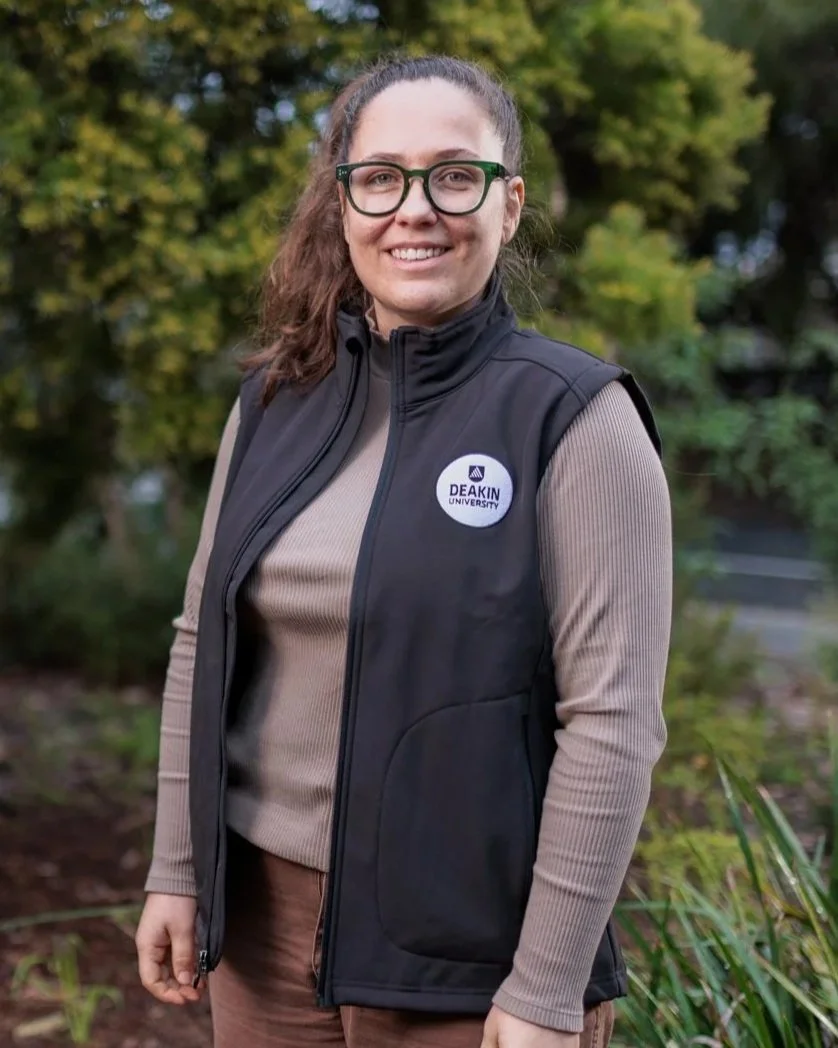
Dr Carla Archibald (she/her)
I am a Lecturer in Environmental Sustainability and an ARC Early Career Industry Fellow in the School of Life and Environmental Sciences at Deakin University, where I work on one of the most urgent challenges in conservation: how do we protect wildlife when the food we eat, the farms we rely on, and a warming climate are all reshaping the land at once?
My research sits at the intersection of biodiversity conservation, environmental policy, climate change and food systems. I develop practical, evidence-based tools that help industries, land managers, and governments act on nature, identifying which species are most at risk from agriculture and climate change, what conservation actions work on working farms, and how those actions can be scaled up under different futures. Much of this work is grounded in private land conservation and understanding how farmers and landholders can be supported to protect species and landscapes alongside productive agriculture [4,5,8]. I am currently leading an ARC Early Career Industry Fellowship with WWF-Australia (2026–2029) to embed biodiversity outcomes alongside agricultural production, building the kind of decision-ready science that links agriculture's footprint to real outcomes for species and people on the ground. I also serve as an Associate Editor for Conservation Science and Practice and teach into Deakin's Bachelor of Environmental Science (BESS) and Wildlife Conservation programs as well as the Master of Sustainability programs, including units in GIS, research methods, and global environmental change.
Before Deakin, I completed my PhD at the University of Queensland (conferred in 2020) and held a postdoctoral position examining private land conservation for koalas under climate change. My work has contributed to national conservation and land-use planning initiatives through partnerships with Climateworks Centre, CSIRO, Biodiversity Conservation Trust and WWF-Australia, and I have published across conservation science and environmental policy.
LECTURER & ARC INDUSTRY FELLOW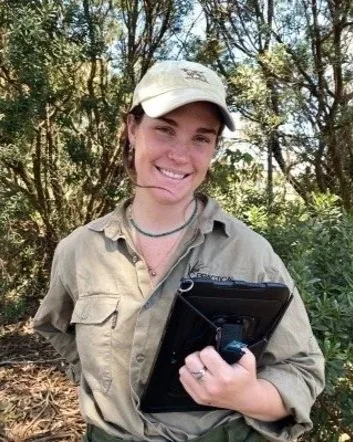
Clara Orford (she/her)
Clara is a graduate researcher with a background in behavioural ecology and biodiversity conservation. Clara started out researching annual cycles in Zebra Finches for her honours, while working in private land conservation. Now, she aims to combine the two fields, to understand how we can apply scientific understandings of avian systems and cycles to safeguard species within agriculture, in a manner that benefits both landholders and the birds inhabiting the land.
Clara holds a Bachelor of Science in Zoology and a Bachelor of Science (Honours, First Class) from Deakin University, where her Honours research investigated the timing of moult in Zebra Finches.
In her research, Clara hopes to create frameworks, to predict the behaviour of birds in agricultural contexts, that are based in scientifically rigorous evidence, considering species level behavioural and physiological specificities, before integrating policy.
Clara also has a special interest in passive acoustic monitoring, and is investigating how we can use acoustic indices to better understand the avian communities around us, and to create predictable acoustic metrics of healthy agroecosystems.
Clara also brings practical conservation experience through her roles as a Junior Project Manager at Bush Blocks and a Research Assistant at Deakin, working in conservation land management and biodiversity offsetting as well as zoology.
Clara is supervised by Dr Carla Archibald and co-supervised by Prof Kate Buchanan and Dr Ayesha Tulloch from Queensland University of Technology.
GRADUATE PHD RESEARCHER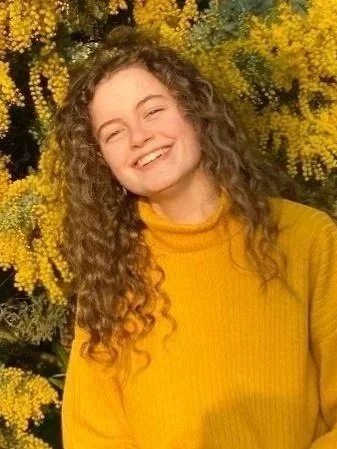
MASTERS STUDENT RESEARCHERMadi May (she/they)
Madi's research is part of their Master of Sustainability (Research Pathway) at Deakin University. Their thesis focuses on sustainable finance for private land conservation, using spatial mapping and social surveys to identify opportunities for nature-aligned lending across Australia.
Madi brings over two years of industry experience working in personal home loans and finance at a major bank, giving her a practical understanding of the financial systems her research aims to influence.
They also hold a Bachelor of Science from the University of Melbourne and completed an Honours year in the Bachelor of Marine and Antarctic Science at the University of Tasmania.
Madi is supervised by Dr Carla Archibald and Dr Claire Doll from the University of Western Australia.
Language: English
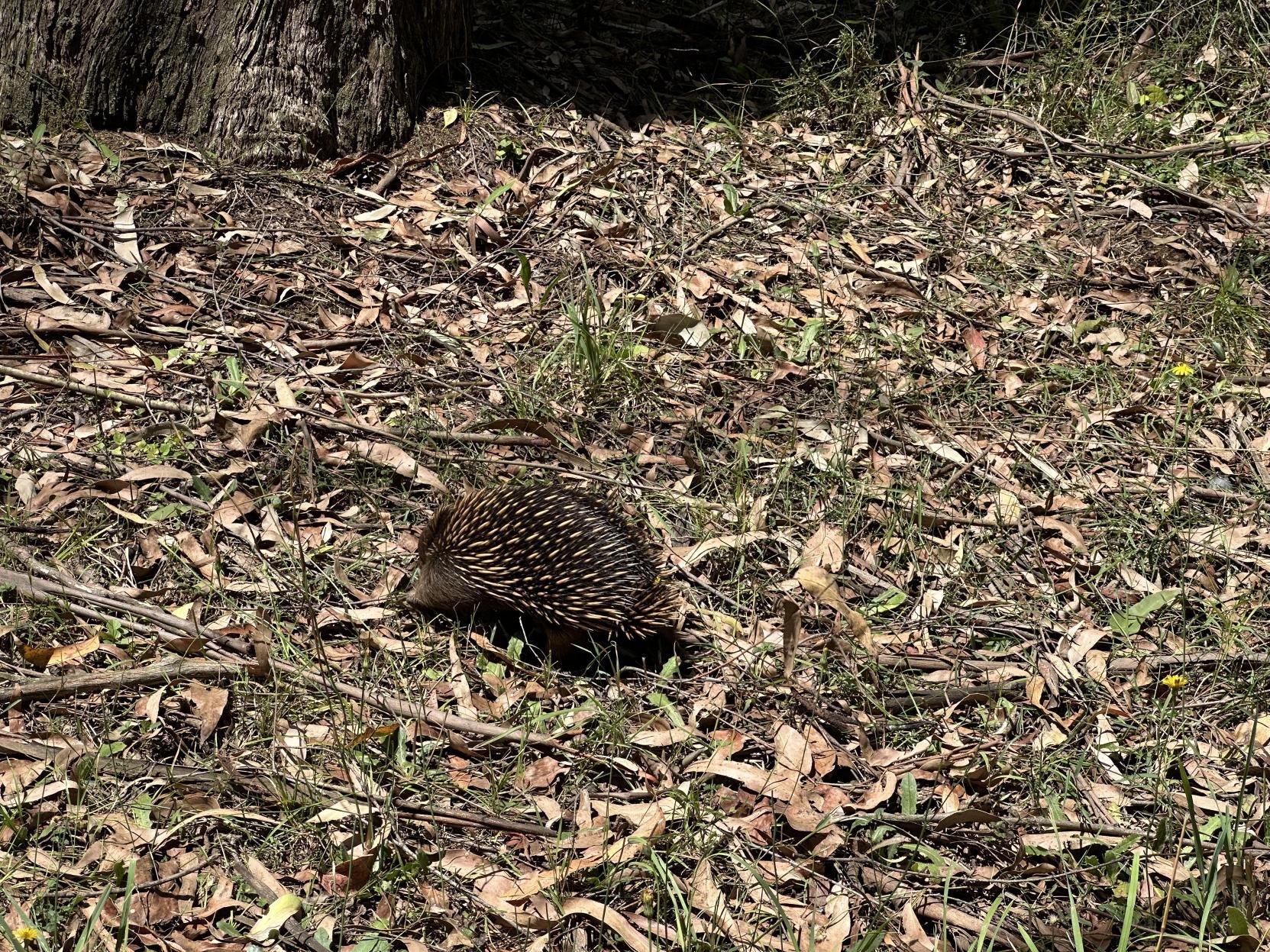
HONOURS STUDENT RESEARCHERMoth Osborn (they/them)
Moth's research uses spatial analysis to explore how climate risk should be incorporated into species-specific credit design.
Moth completed their Bachelor of Environmental Science (Wildlife and Conservation Biology), with a minor in Applied Data Analytics. Their Honours thesis focuses on using the Greater Glider as a case study, their work aims to inform more climate-resilient biodiversity finance in Australia in collaboration with WWF-Australia.
Moth is supervised by Dr Carla Archibald and co-supervised by A/Prof Desley Whisson from Deakin University, Dr Brooke Williams from the Univeristy of Newcastle and Dr Kita Ashman at WWF-Australia.
Language: English
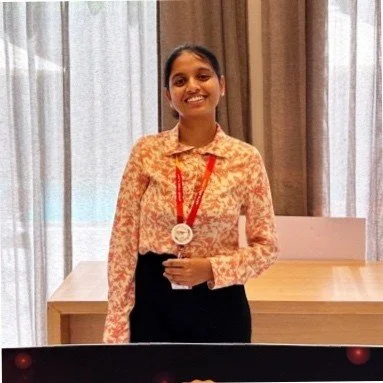
Rajvidya’s PhD investigates how corporate responsibility reporting and private finance can be better directed toward biodiversity conservation and climate resilience across India's agricultural landscapes. Before starting her PhD, she worked in ESG assurance, biodiversity impact assessment, and sustainability reporting in India, these experiences directly inform her research questions.
Her research explores how companies and farming communities perceive and respond to nature and climate-related risks, and how private sector investment can be better aligned with India's biodiversity and climate priorities. She aims to bridge the gap between corporate sustainability frameworks such as BRSR and TNFD with on-the-ground conservation outcomes.
Rajvidya holds a Bachelor of Science in Environmental Science from Fergusson College, Pune, and a Master of Science in Environmental Studies and Resource Management from TERI School of Advanced Studies, New Delhi, where her thesis investigated microplastics in mangrove ecosystems.
Her PhD is jointly conferred by Deakin University and the Indian Institute of Technology Madras (IIT Madras) through the IIT Madras–Deakin Research Academy Cotutelle Program. Rajvidya is supervised by Dr Carla Archibald and Dr Krishna Malakar from the Indian Institute of Technology Madras (IIT-Madras), and co-supervised by Dr Roan Plotz from Deakin University.
Languages: English, Hindi
GRADUATE PHD RESEARCHERRajvidya Wadalkar (she/her)
Friends of the Lab
Hoa Vu (she/her)
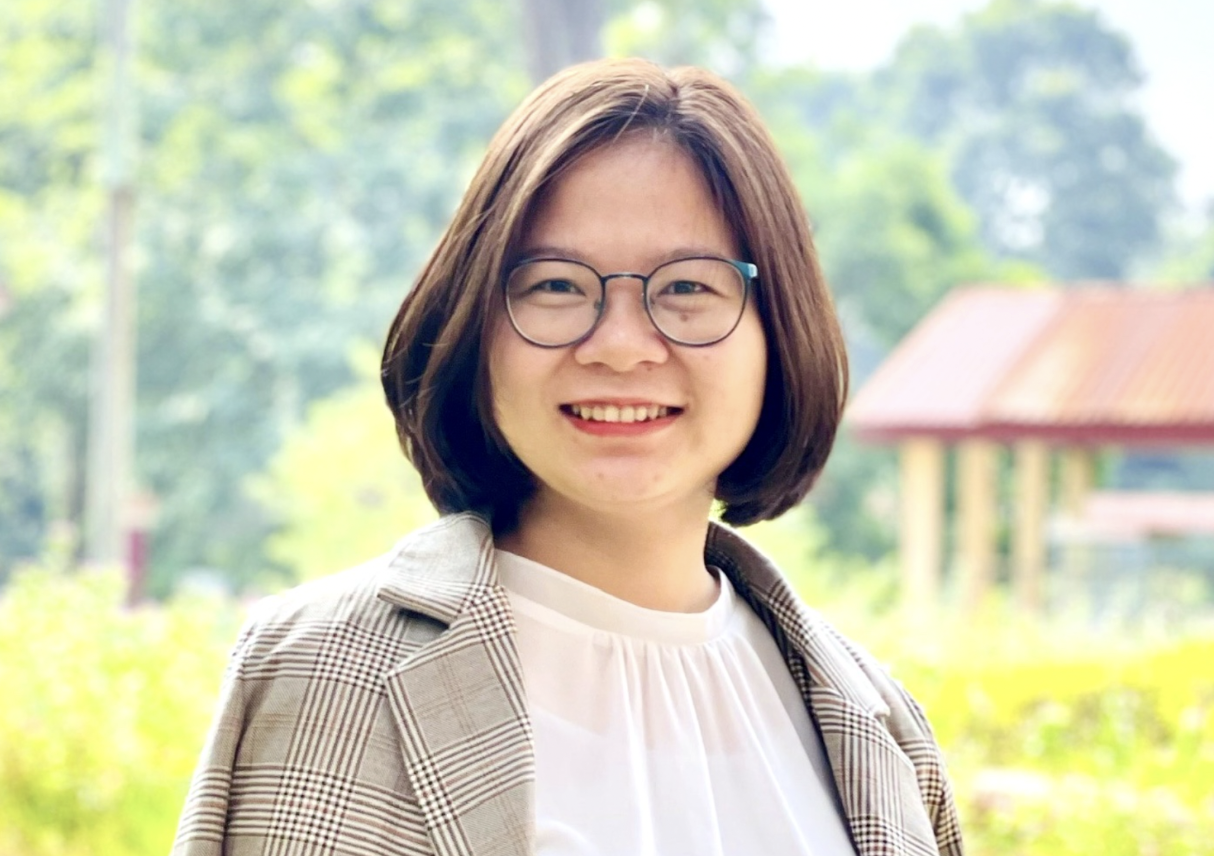
Hoa’s research uses social science methods to improve environmental management across cultures while considering climate and natural uncertainties. With experience from her PhD at Deakin, a Master’s at Melbourne, and a lectureship at Thai Nguyen University, she has studied carbon markets, certification schemes, climate adaptation, and nature-related risks. Hoa’s PhD focuses on co-designing a framework with industry and farmers to assess natural capital risks (e.g., TNFD) in tea farming in Vietnam. This empowers farmers to manage risks and helps financial institutions evaluate environmental impacts in agriculture, enhancing sustainability and resilience.
Hoa is a member of the Planet-A Sustainability Science Group and is supervised by Prof Brett Bryan and co-supervised by Dr Carla Archibald, Dr Christie Lam and Prof Kelly Miller at Deakin University.
Language/s: English, Vietnamese
GRADUATE PHD RESEARCHERGleiceane Libero Breda (she/her)
Gleiceane is PhD student at the University of Newcastle researching the impacts of the forest-based carbon market globally, and aims to provide recommendations for how reporting processes can be improved.
Gleiceane has more than six years consulting experience across Australia and Brazil, specialising in contaminated land assessment, environmental investigations, and project management. She has a strong analytical capability and practical field experience, including groundwater monitoring, GIS, and geostatistics.
Gleiceane is a member of the The Biodiversity, Forest Restoration, and Ecology (BIOSFERE) Lab and is supervised by Dr Brooke Williams and co-supervised by Professor Matthew Hayward and Dr Carla Archibald at Deakin University.
Language/s: English, Portuguese
GRADUATE PHD RESEARCHER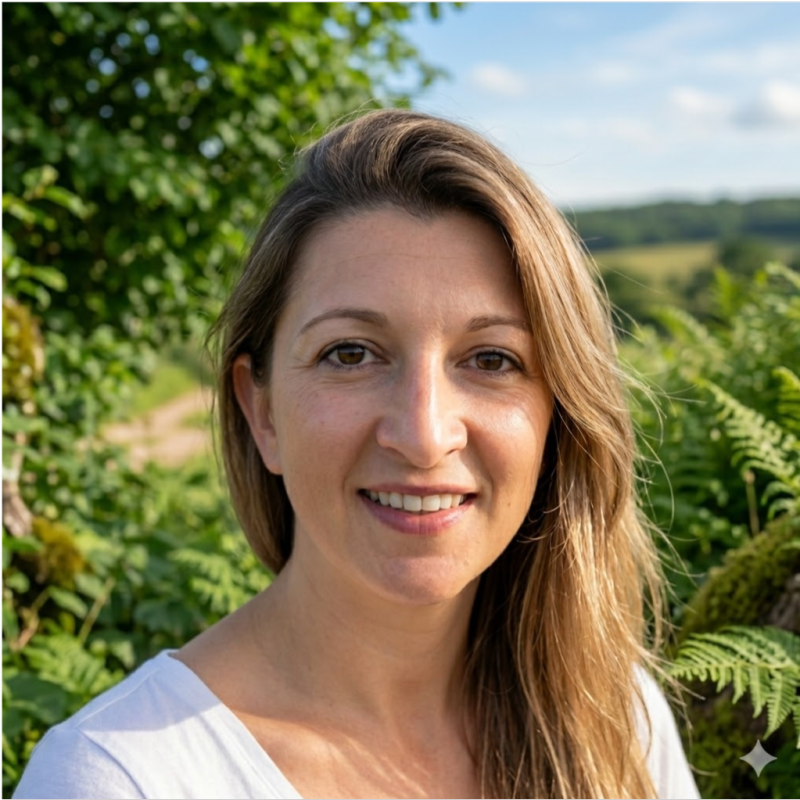
Amritha Gunawardena Mudunkotuwage (she/her)
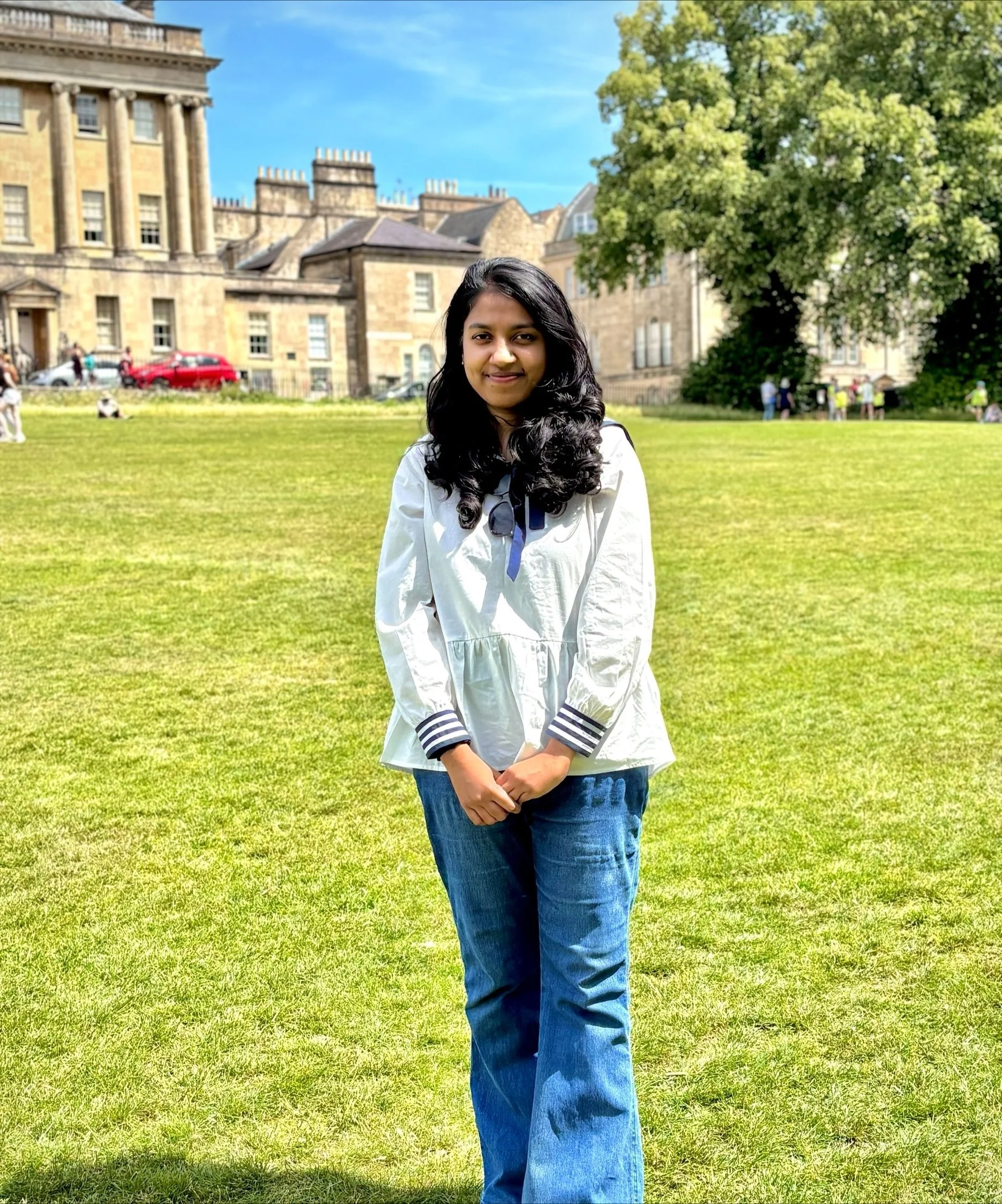
GRADUATE PHD RESEARCHERAmritha holds a BSc (First Class Honours) in Environmental Science from the University of Colombo and a MSc in Climate Change Science and Policy at the University of Bristol. Her PhD at Deakin University applies True Cost Accounting to food loss and waste, quantifying the hidden environmental, social, and economic costs that conventional accounting overlooks to identify the most effective interventions.
Amritha is a member of the Planet-A Sustainability Science Group and is supervised by Dr Michalis Hadjikakou and co-supervised by Dr Navoda Liyana Pathirana and Dr Carla Archibald at Deakin University.
Where Are They Now
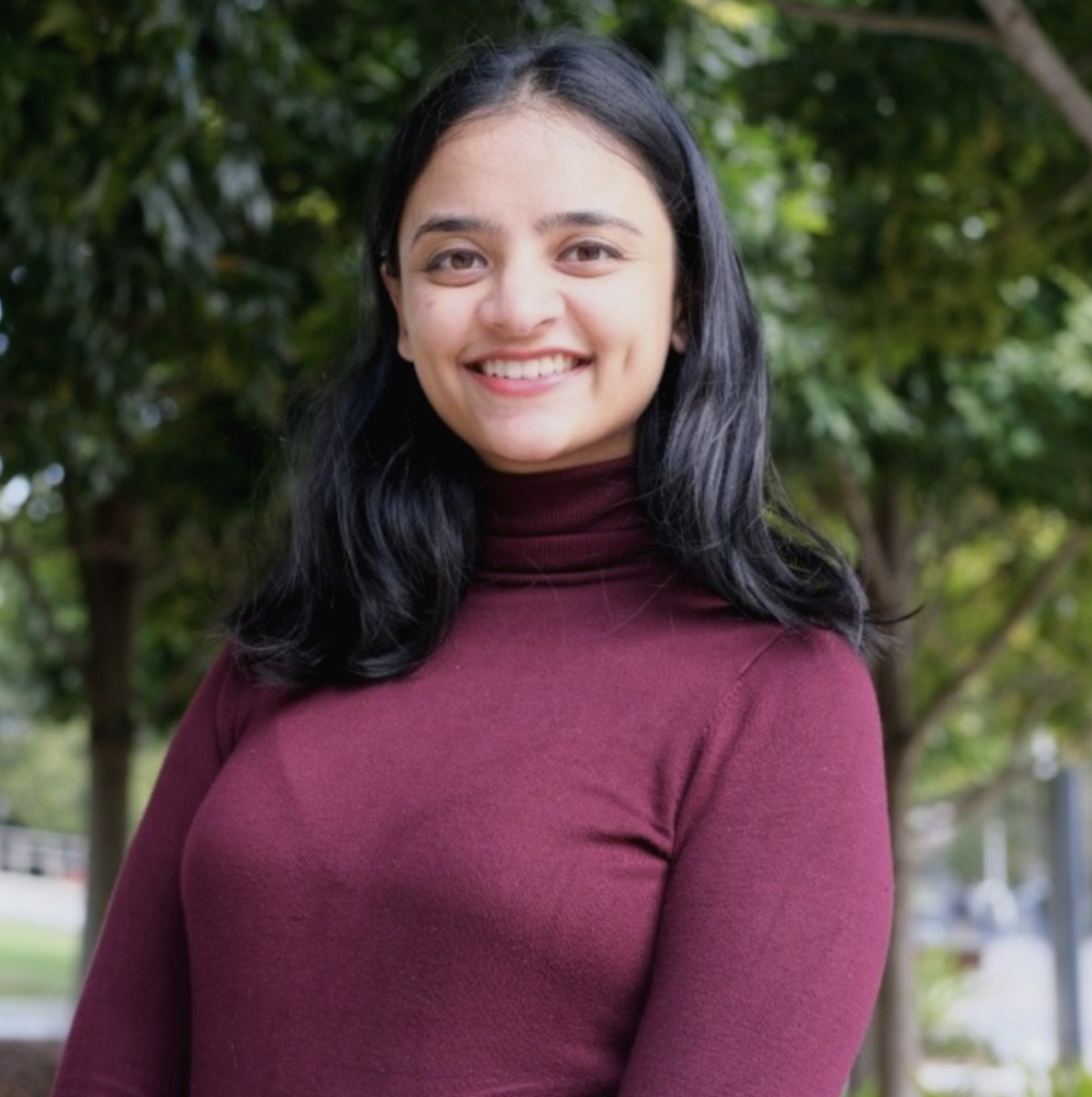
Dr Pankti Shah (she/her)
GRADUATED PHD RESEARCHERPankti has an engineering and IT background and her Ph.D. project was to estimate the environmental impacts of packaged food products in Australia. She uses programming and computational techniques to conduct my analysis. I have good experience in using R and Python. My interests are data analysis, visualization, machine learning, and deep learning and I want to incorporate these techniques with sustainable food systems for my research.
Pankti was a member of the Planet-A Sustainability Science Group and is supervised by Dr Michalis Hadjikakou and co-supervised by Dr Navoda Liyana Pathirana and Dr Carla Archibald at Deakin University.
Languages: English, Gujarati, Hindi
https://www.linkedin.com/in/pankti-shah-b95b4913a/?originalSubdomain=au
https://scholar.google.com/citations?user=z5uT_r8AAAAJ&hl=en
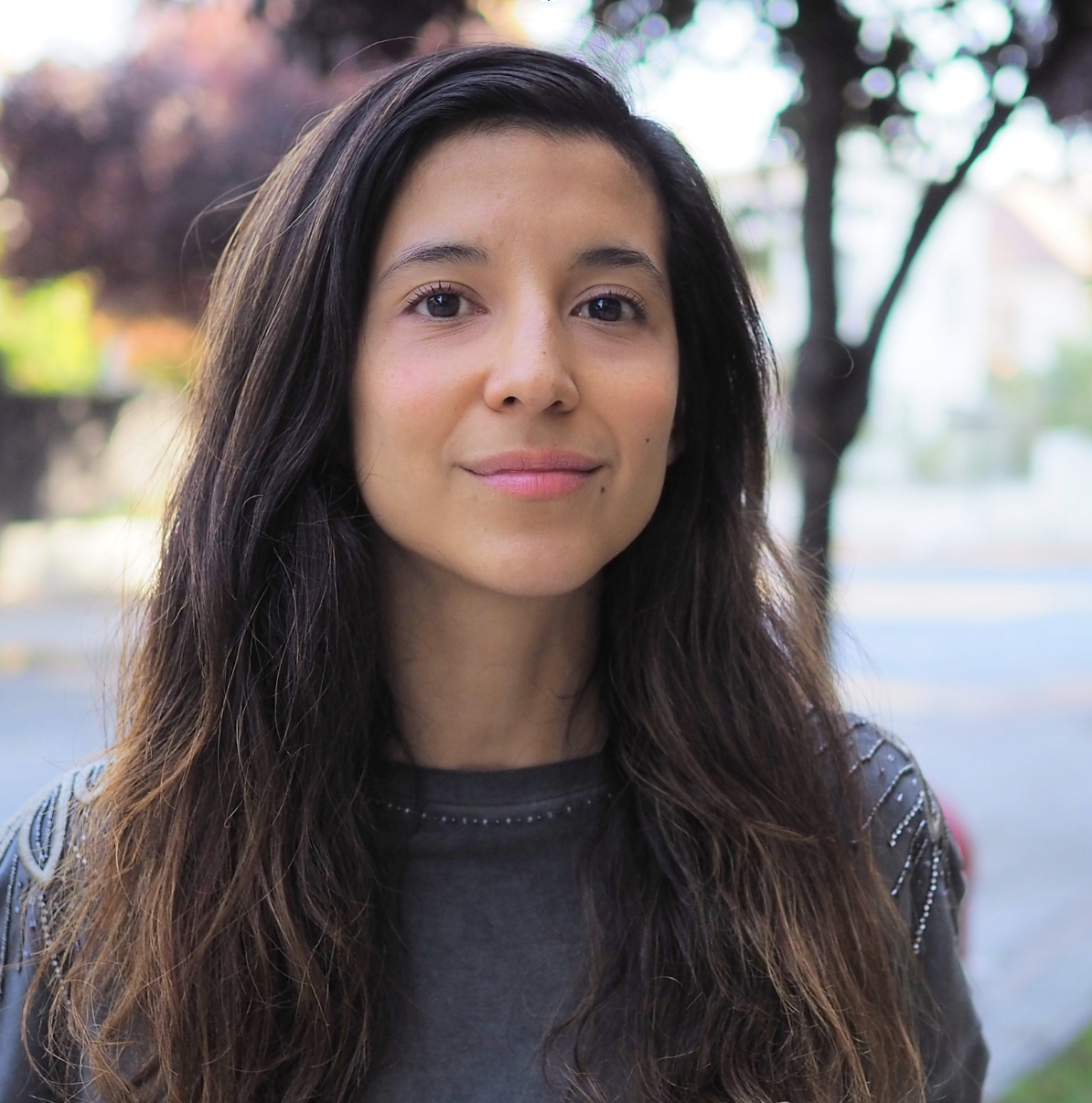
Dr Rocío Araya-López (she/her)
GRADUATED PHD RESEARCHERRocío has a background in Agricultural Science and completed a Master in Nature Conservation at the University of Chile, Chile. Through her studies, she has developed strong field, laboratory, and data analysis skills. Her research experience combines using remote sensing data, geographic information systems (GIS), and spatial analysis in High Andean Wetlands and Peatlands. Currently, her research is directed towards advancing scalable and cost-effective blue carbon restoration by overcoming technical, financial and knowledge-sharing barriers, using remote sensing, spatial planning and stakeholder collaboration to improve restoration outcomes and support climate change mitigation and adaptation efforts. In addition she is assisting in the assessment of coastal wetland carbon stocks in Chile to support environmental impact assessments.
Languages: English, Spanish
https://www.linkedin.com/in/rocio-araya-27639a28/
https://scholar.google.com/citations?user=6vnaq10AAAAJ&hl=en
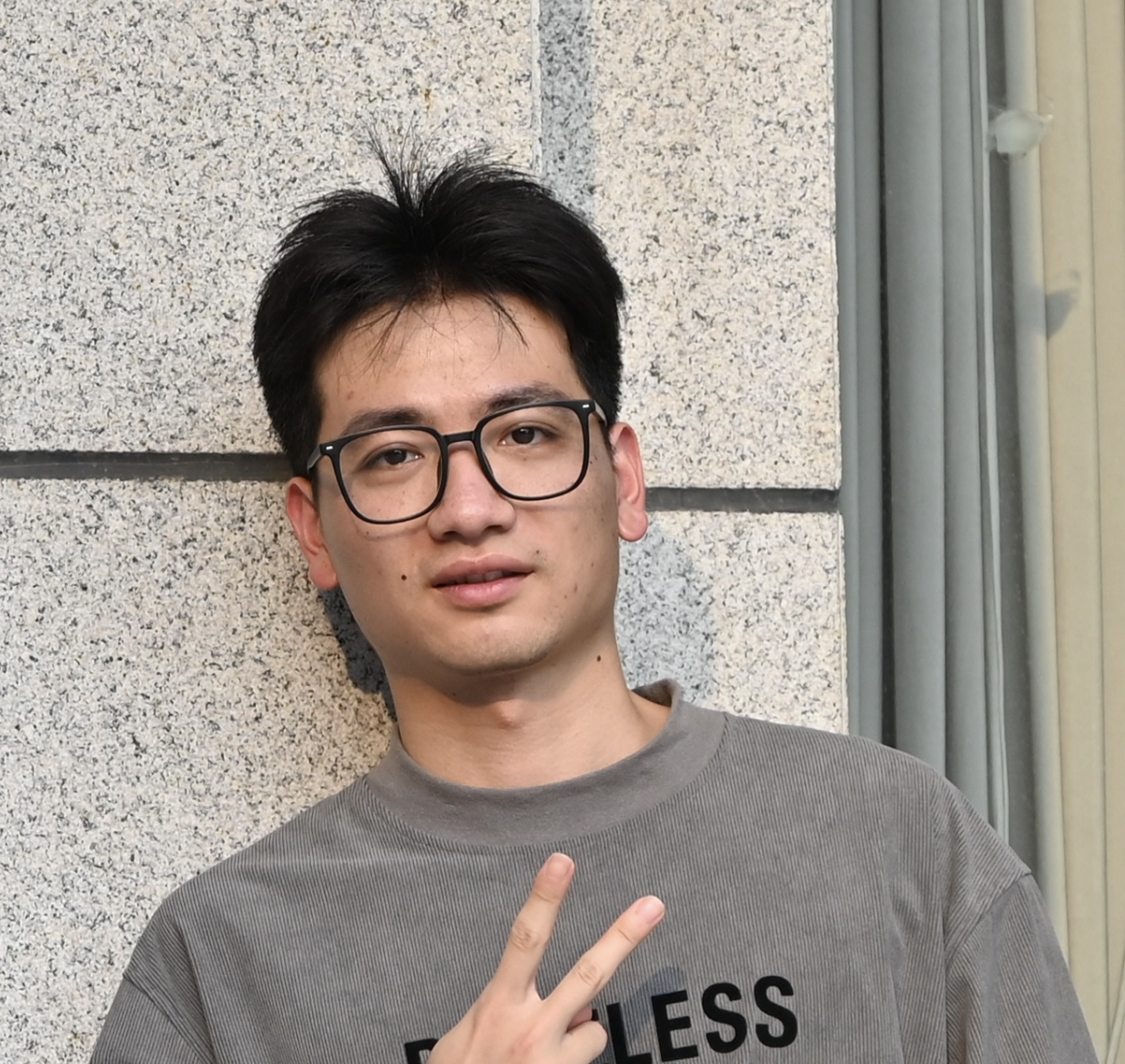
GRADUATED PHD RESEARCHERDr Tao Hu 胡涛 (he/him)
Tao's research explores vegetation dynamics from a social-ecological systems perspective and their consequences for biodiversity. During his PhD at Peking University, where he was supported by a Chinese Scholarship Council visiting scholarship to Deakin University (2024–2025).
Tao used remote sensing data and meta-analysis to investigate the ecosystem services generated by ecological restoration projects in China, and the social-ecological factors that shape restoration outcomes. His work also examined the impacts of global mountain land-use change on biodiversity, including the pressures that land-use change in Australia places on native species.
Tao holds a Bachelor of Science from Huazhong Agricultural University (2017–2021) and recently completed his PhD at Peking University (2021–2026). Tao was a visiting scholar with the Planet A Lab and the Conservation Crossroads Lab during 2024–2025
Languages: English, Chinese
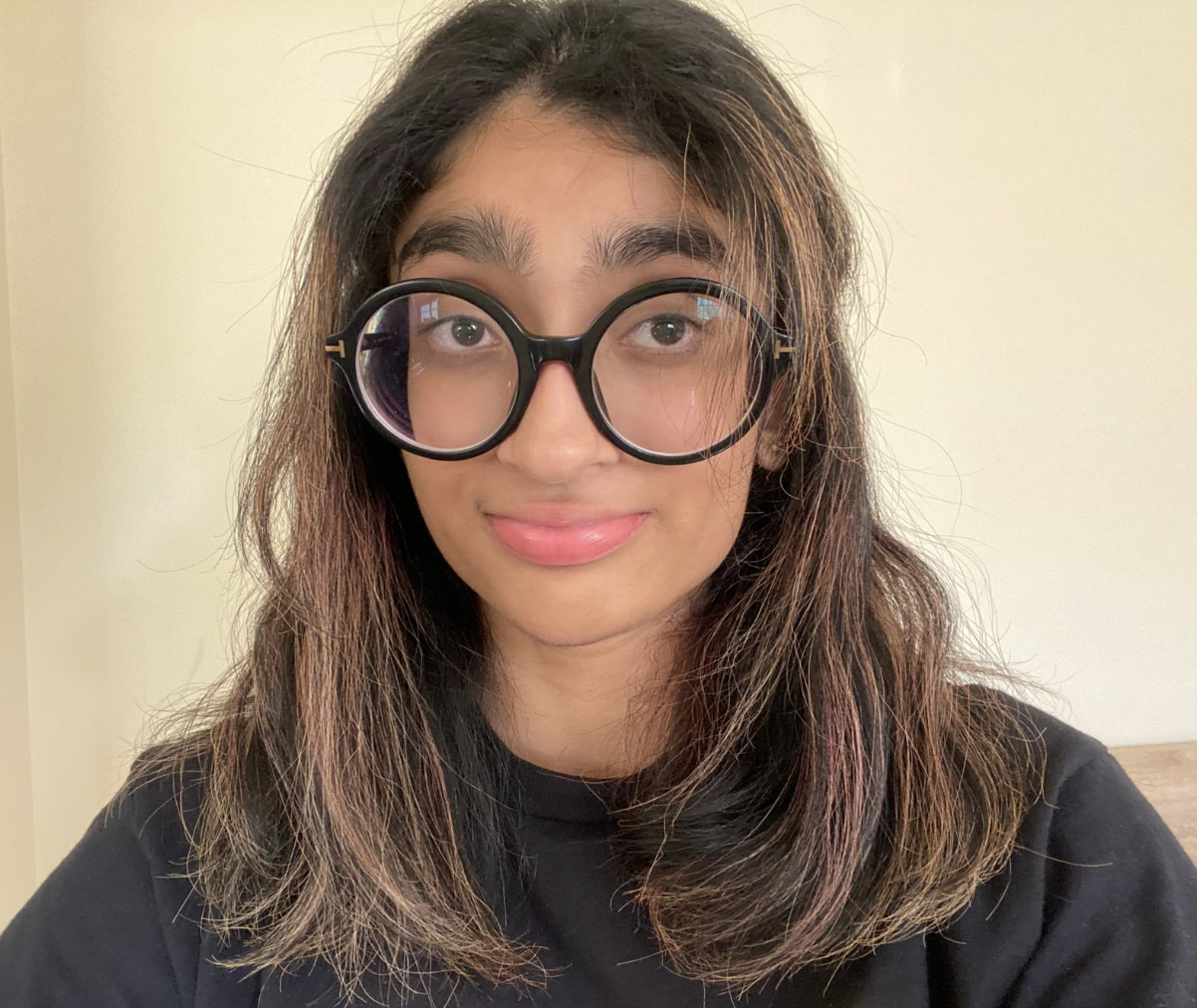
RESEARCH ASSISTANTAnya Perera (she/her)
Anya is was as a research assistant on a project that aims to map potential climate refugia for the greater glider species, through a collaboration between Deakin University and the WWF, under the supervision of Dr Carla Archibald and Dr Euan Ritchie. Anya was with the Conservation Crossroads Lab during 2025.
The project incorporates her digital literacy and research skills, as well as a fundamental understanding of software such as RStudio, in order to review and compile relevant ecological literature, as well as assist in conducting statistical analysis of climatic and environmental data to display the species distribution of the greater glider species based on potential future climate scenarios.
Languages: English

GRADUATED PHD RESEARCHERDr Qin Tao 陶芹 (she/her)
Qin’s research explores social-ecological systems using ecosystem services and safe and just operating spaces as a research lens. During her PhD at Nanjing Agricultural University, she was supported by a Chinese Scholarship Council visiting scholarship to Deakin University (2023–2024).
Since graduating, Qin now works as an Assistant Professor at Nanjing Forest University.
Languages: English, Chinese
https://www.researchgate.net/scientific-contributions/Qin-Tao-2158076455